
Archives

Beware What Is In The Air
Hi Everybody!
The Doctors are back with your most recent coronavirus update! In today’s video, Dr. Oommen and Dr. Di Liello discuss habits to keep up your health at home, aerosol transmission of COVID-19 between individuals and which masks are most effective and why we must continue to wear them.
What are aerosols, you may ask? Aerosols are tiny droplets that float and remain in the air over longer courses of time. You know how you can still smell your mother’s perfume an hour after she’s left? Yes, those are aerosols! Wearing a mask limits aerosols released from talking, coughing and sneezing, so that we don’t have to worry about inhaling them.
Tune in to learn more about the science behind every day coronavirus transmission risks, and for a complimentary Muhammad Ali impression from Dr. Oommen!
If you have any questions about the coronavirus or the reintegration into your community amidst the Pandemic, we encourage you to send them to us through info@cardiogenix.ca. And most importantly, if you believe that you are showing symptoms or may have come in contact with someone with COVID-19, please call the info-coronavirus line at 1-877-644-4545.
Stay safe everyone!
Your Cardiogenix Team
#Coronavirus #COVID_19 #Pandemix #Health #Hygiene #Aerosol
Not a Fan of the Tan
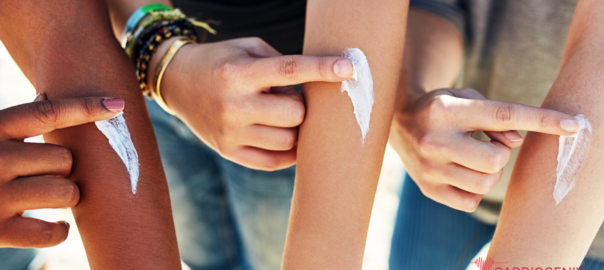
Now that summertime is here and the sun is coming in hot, it is time to get real about sunscreen. Yes, sunscreen! The skin protection agent that many people love to hate. Also known as sunblock, sunscreen is highly recommended by dermatologists to protect your skin from the sun’s harmful rays by reducing your overall ultraviolet (UV) exposure thus decreasing your risk of skin cancer, sun damage, and signs of aging. Melanoma skin cancer is one of the most common forms of cancer in young adults ( 20 to 39 years old), so whether you love sunscreen or tend to avoid it, finding the right one for you is essential for maintaining healthy skin!
To test your sunscreen knowledge, we’d like to play a game of “Two Truths, One Lie”… Can you guess which one of the following statements is false?
1. Even if it is cloudy, you still need to protect your skin with SPF.
2. Sunscreen loses its effectiveness with sweat and when in water – therefore you must reapply every two hours when spending prolonged time outdoors.
3. It is recommended to wear sunscreen on all exposed skin even in the winter time.
Did you make your guess?
Truth is – these are all FACTS! No matter the weather or time of year, your skin needs protection from the sun. Up to 80% of the sun’s harmful UV rays will make their way to your skin through clouds and environmental factors such as snow, sand and water reflect these rays which increase their intensity. You should also apply your sunscreen 15 minutes before sun exposure for the best results!
Which SPF do I choose?
SPF stands for Sun Protection Factor. The number indicated on the packaging of your sunscreen tells you how long the sun’s UVB rays will take to redden your skin if you apply it as directed compared with the amount of time without sunscreen. If you use an SPF 30 product properly, it would take you 30 times longer to burn than if you did not use any.
SPF 15 is ideal for occasional sun exposure and every day wear like when walking your dog or commuting to work whereas SPF 30 or higher is necessary for extended activity outside like going for a run or a hike, swimming, or working outdoors. Outdoor workers are 2.5 to 3.5 times more likely to develop skin cancer, so slather it on!
Finding the Right Sunscreen for You
Once you determine the right SPF for you, Dermatologists recommend choosing a sunscreen that claims to be “Broad Spectrum”, meaning that it protects your skin from both UVA and UVB rays, as well as water resistant. No sunscreen is waterproof, but when labeled water resistant, they do last longer against sweating and swimming.
With those details in mind, you can then choose a sunscreen for your skin type whether you have dry skin, oily skin, acne-prone skin or sensitive skin.
Now some of you may be thinking, “Well I don’t need sunscreen, I’ve never gotten a sunburn!” It is true that fair-skinned folks are indeed likely to absorb more solar energy than dark-skinned people under the same conditions, but everybody can get skin cancer regardless of your skin color, age, or gender. It is important to know your skin and family history as well as the effects of any medications you may take. Certain medications or skin disorders can increase your photosensitivity no matter your skin type. If you have any doubt about your skin’s sensitivity, we recommend speaking to your Dermatologist. Putting your best skin forward is worth it!
You Missed a Spot!
There’s more to covering up than just your arms and legs! Commonly forgotten yet important areas to protect when applying sunscreen include ears, nose, lips, the back of your neck, hands, the top of your feet, along your hairline and any exposed skin on your head due to balding or thinning hair. These areas tend to burn the fastest and are more prone to developing melanoma since we can’t see them and often forget to protect them.
Other Skin Protection Factors
Sunscreen is not 100% sun proof without taking some extra precautions. In order to best protect your skin, Dermatologists also recommend :
1. Wearing Protective Clothing : Anything from wide brim hats and sunglasses to a light long sleeved shirt and pants can help shield your skin from harmful UV rays.
For those who remember the Slip, Slop, Slap skin cancer awareness campaign from the 80’s, to protect your skin, you have to:
Slip on a shirt,
Slop on your sunscreen,
Slap on a hat!
2. Seeking Shaded Areas : It is especially recommended to stay out of the sun when it is at its strongest between 10AM and 4PM.
3. Avoiding Tanning Beds : Tanning beds emit 15x more UV rays than the sun and can increase your odds of developing melanoma skin cancer by a whopping 75%! If you are aiming for that golden glow, opt for alternative self-tanning products rather than tanning beds.
4. Getting your Vitamin D through foods and vitamins rather than overdoing the sunlight.
Is Sunscreen Toxic?
There is a myth floating around that sunscreen is more toxic than ultraviolet rays, but this is not true. If your skin does react negatively to a certain brand of sunscreen, like any other product, it is best to find something with different ingredients.
Going Green
As we all know, anything that ends up in the ocean that is not meant to be there poses a threat to our ocean’s wildlife, particularly to our coral reefs. If you are looking for more reef and skin friendly sunscreen variants, we recommend looking for products that do not contain oxybenzone, octinoxate, phenoxyethanol, methylparaben or butylparaben. These are all ingredients used as preservatives or UV ray absorbents that do more harm than good. Additionally, opting for cream sunscreens rather than aerosol sunscreens is also a great way to avoid spraying inhalable microscopic pollutants into the air as well!
Fun in the Sun
All in all, the safest way to enjoy the sun is by purchasing a water-resistant-broad-spectrum sunscreen with SPF 30 or higher and applying it to all exposed skin, no matter the weather. For the best results, apply your sunscreen at least 15 minutes before sun exposure and reapply around every two hours if you are sweating or swimming.
Now that you have a complete arsenal of skin protection tools, you’re ready to get outdoors and have some worry free fun in the sun!
Stay Safe Everyone!
Accidents Happen!
Hello Everyone,
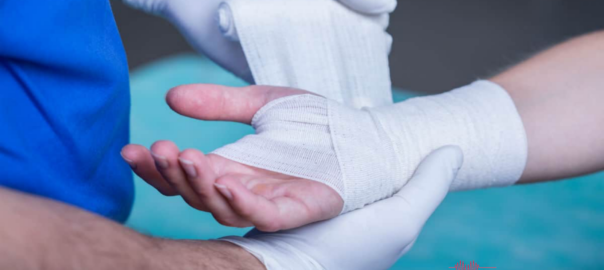
“Accidents happen!” This is something that we’ve all told ourselves at one point or another. But what if this accident was more life threatening than a bump or a bruise?
Did you know that fully preventable injuries take the lives of more Canadian children than disease, and more youth than all other causes combined? What if someone you love is choking, do you know how to administer the heimlich maneuver? Accidents do happen, and are often completely unavoidable… or are they?
As a medical clinic, we often treat cases of unexpected injuries and accidents that are indeed unpredictable, but also preventable. Although we don’t think of it everyday, it is important to remain vigilant and informed on how to prevent certain injuries and how to act quickly when they do occur, and this begins in the home!
Parents of young children know better than anyone that danger is just around the corner and that it is best not to be paranoid, but rather to be prepared! Today is National Injury Prevention Day, the perfect moment to reflect upon and learn about day-to-day risks.
Parachute is Canada’s national injury prevention charity that works to prevent serious and fatal injuries through education. We invite you all, no matter your age, to visit Parachute’s website to learn how to prevent a long list of injuries ranging from more common accidents such as falls, concussions, and burns to more severe scenarios such as road accidents, drowning, and even vacation safety. Remember, prevention is the key to a long and healthy life!
Click Here for Parachute’s Resources for Injury Prevention
Stay Safe Everyone!
Blueberry Walnut Oatmeal
Rise and Shine, Everybody!
Now that many people are going back to work and getting back into their pre-quarantine routines, it is important to keep up with our eating habits and to strengthen our immune systems through our food!
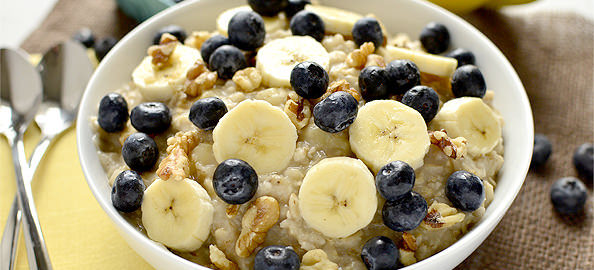
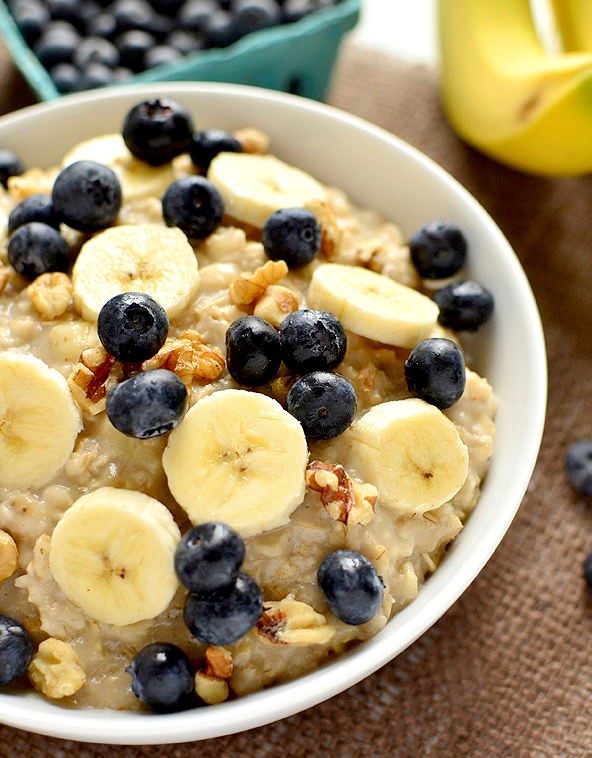
Stephanie, our Dietitian, recommends starting the day with a nutritious and filling breakfast, and there’s nothing better than a sweet bowl of oatmeal to fill us up before a busy day! Paired with blueberries, walnuts, and banana, this quick meal is packed with immunity-boosting antioxidants, protein and potassium. Talk about a jump start!
Bon appétit and stay safe everyone!
Ingredients
1- 1 ½ cups of water
2- ¾ cup of rolled oats
3- ⅛ teaspoon of ground cinnamon
4- Pinch of kosher salt
5- ¼ frozen blueberries
6- ½ sliced, banana
7- 2 tbsps of chopped walnuts
8- 1 tbsps of maple syrup, or to taste
Instructions
1- Bring your water to a boil in a small saucepan. Add your oats, cinnamon and pinch of salt.
2- Reduce to a steady simmer and cook, stirring occasionally, until oats are tender for about 5 to minutes.
3- Stir in frozen blueberries.
4- Top with banana, walnuts, maple syrup and your choice of milk or non-dairy milk if desired.
#Health #Recipe #Oatmeal #Immunity #Blueberries #Banana #Walnuts #Antioxidants
Source: Martha Stewart

Pandemic Fatigue is Real, and so is COVID-19
Hi Everybody,
We understand… News about COVID-19 can be exhausting and overwhelming. You’re likely tired of hearing about it and wish to just move on as if nothing is happening… Pandemic fatigue is real, but so are the risks of acting as if there is no Pandemic at all. Today, Dr. Oommen and Dr. Di Liello review the coronavirus situation in Quebec and delve further into why we must continue to wear our masks and keep our distance from others.
Businesses have reopened with the economy in mind – not your health. Our main focus as a private healthcare clinic is to keep our patients and their loved ones safe. This not only requires more cautious physical interactions with our patients, but we also must continue to pass on the message that we all have to stay vigilant about our everyday behaviours.
We encourage you to speak to the coronavirus skeptics in your circle about the risks and to express your concern for their health and for the health of others. It can be difficult to remain socially distant with the increasing social pressure to pretend as though there is no virus at all, but we must remember that every single person plays an active role in maintaining public health during these times.
Thank you everyone for tuning in! If you have any questions about the coronavirus or the reintegration into your community amidst the Pandemic, we encourage you to send them to us through info@cardiogenix.ca. And most importantly, if you believe that you are showing symptoms or may have come in contact with someone with COVID-19, please call the info-coronavirus line at 1-877-644-4545.
Stay safe everyone!
Your Cardiogenix Team
https://youtu.be/597KehBc_s4
#Coronavirus #COVID_19 #Pandemic # Safety # Prevention #Health #PandemicFatigue #SocialDistancing

Be S.M.A.R.T. To Prevent or Think F.A.S.T
This June marks the official Stroke Awareness Month in Canada. As a private medical centre that specializes in cardiovascular health, our top priority is the prevention and early detection of possibly life-threatening conditions, such as heart attacks and strokes.
Did you know that with over 50,000 cases per year, strokes are the third largest cause of death in Canadian adults following heart disease and cancer?
Our everyday lifestyle choices can change this! Setting health and lifestyle goals for yourself is one of the most effective prevention tools and for this, we recommend using the acronym S.M.A.R.T., which we will expand on below, to guide you on your health journey.
But first, what is a stroke?
A stroke is an interruption of blood flow in the arteries of the brain, which subsequently causes cell damage. This interruption could be caused by: a blood clot, a ruptured artery, brain swelling or even a tumor. If not fatal, the effects of a stroke vary from mild to severe depending on the artery affected, and which area of the brain it covers.
The most common type of stroke is called an Ischemic Stroke which is caused by a clot or blockage in a blood vessel in your brain. The more fat and plaque that has accumulated in your arteries over time, the higher your risk of an ischemic stroke becomes.
How does a stroke affect your body?
The effects of a stroke on an individual will vary from one person to another, and is dependent on the area of the brain affected and the severity of the stroke. Normally this can affect your movement, speech, cognition, vision, and other senses. Stroke survivors often require rehabilitation after a stroke to help regain some of the abilities that they lost or to teach them new ways to adjust to their disabilities.
How to identify a stroke
A simple way to recognize a stroke when it occurs and potentially save a life is by remembering the acronym F.A.S.T. This stands for :
- F ace – Is your face drooping?
- A rms – Can you raise both of your arms?
- S peech – Is your speech slurred or jumbled?
- Time to call 911 right away.
A common phrase amongst neurologists is “time is brain”, which refers to the fact that the sooner a stroke is identified and managed in hospital, the better the odds of recovery.
Risk Factors
One of the greatest risk factors for stroke is high blood pressure (or hypertension). This can double, and in some cases QUADRUPLE, an individual’s likelihood of having a stroke.
The main causes for hypertension include: being overweight, inactivity, smoking, consuming too much alcohol, consuming too much salt, stress, old age, and genetics. Nine out of ten Canadians have at least one of these. Luckily, many of these factors are avoidable through our own lifestyle choices!
At Cardiogenix, our health recommendations are always based on the Six Pillars of Health. Sleep, Diet, Exercise, Stress, Social Life, and sometimes Medications are variables that must be optimized in order to live your healthiest life. This year, our routines have been turned upside down due to the COVID-19 Pandemic, and many of us have become unmotivated when it comes to maintaining a healthy routine. In honour of Stroke Awareness Month this year, we believe that the first step to reduce your risk is through Exercise. We want everyone to get off their couch, onto their feet and get moving!
How does exercise help?
Exercise is the ultimate drug-free blood pressure regulator… but why is that? The first thing to take into consideration is that your heart is a muscle and like all muscles, it needs to be working regularly in order to stay strong. The stronger our muscles are, the less effort is exerted to do their job. High blood pressure means that your heart is having a harder time pumping blood through your body either because it is too weak or because of a blockage in your blood vessels. Since your heart never stops beating, strengthening it through exercise will ensure that it maintains its ability to do its job properly throughout your life and decreases your risk of complications. By getting your heart rate up through physical activity, you are stimulating blood flow and providing a better distribution of oxygen and nutrients through every inch of your body including your brain, which is why we often feel so good and alert after working out! Exercise works best when paired with a healthy diet ー minimizing your intake of alcohol, salt, sugar and other fatty foods will keep your blood vessels clear of build-up, avoiding stroke causing clots and blockages.
Where do I start?
As mentioned above, the best tool for stroke prevention is by creating health and lifestyle goals for yourself in order to maintain a long and healthy life. At Cardiogenix, one of our favourite tools to help achieve these goals is by being S.M.A.R.T. with how you go about setting them.
- S pecific – Be specific about the goal you wish to achieve. In the context of stroke prevention, the idea is to improve on the controllable risk factors that you present such as your weight, your alcohol consumption habits, inactivity, etc.
- M easurable – It is important to track your progress throughout your health journey to determine what is working or not working for you.
- A chievable – Set goals that are realistic. Getting healthy is a process, so in order to keep motivated, starting with smaller goals and building up as you progress is the way to go!
- R elevant – If your goal is to decrease your likelihood of stroke and improve your cardiovascular health, we recommend speaking to your Doctor for guidance on what will help you specifically. Everybody is different, and therefore the way we go about achieving the same goal may vary!
- T imely – Timing is crucial when it comes to your health. The sooner you make positive changes in your life, the longer and healthier your life will be. It is best to prevent health concerns before they happen rather than having to deal with them once they occur.
In addition to S.M.A.R.T., our Athletic Therapist, Rosemary, created a video demonstrating both cardiovascular and muscular exercises to do in your home during self-isolation to help get you started on your health journey even while social distancing!
https://youtu.be/8bmqXAsF3Ro
Remember, 75% of stroke risk factors are preventable through our everyday decisions.
Be S.M.A.R.T. with your health, or you may have to act F.A.S.T.
Stay safe and healthy everyone!
#StrokeAwarenessMonth #Health #Prevention
Addressing the Issue
Today, Dr. Oommen and Dr. Di Liello continue the discussion on the COVID-19 Pandemic, but would first like to address another significant issue in our community.
The ongoing events are weighing heavily on the hearts of our team, and we know that silence is not the answer. There is no space for racism and violence.
As a medical clinic, we wish for everyone’s well-being as we continue to fight against injustice as safely as possible. For those partaking in the protests, we highly encourage the use of masks, gloves and social distancing as means to protect yourself and your peers as you work together towards a better world. Fortunately, we live in a time where every single one of us has a voice through social media and great things can still be achieved even while socially distanced.
In this segment, the Doctors also address the loosening of the government’s restrictions on social gatherings and as Dr. Oommen puts it, the decreasing of confinement simply means that we must increase our guard. We are still in the midst of a global health crisis and we urge everyone to continue your coronavirus safety practices more than ever to avoid prolonging and worsening the spread of COVID-19.
As Canadians, we cannot neglect that we also have a long way to go, and we must look into what we can actively do to help on our end. We encourage you all to continue to educate yourselves and others on racism and continue to spread awareness and change.
Stay safe everyone, and thank you for those who are actively paving the way to a better and more just world.
Your Cardiogenix Team
https://youtu.be/2c5TsUN-wts
6 Sunny Weekend Activities To Do While Social Distancing
Hello Everyone!
With how this year has been going so far, many still believe that we are fated to a summer indoors, but practicing social distancing doesn’t mean we can’t enjoy the beautiful sunny weather, this just means we must be a little more cautious and creative when it comes to our usual activities! We’ve come up with a few ways to benefit from the summertime while continuing to keep ourselves and our family safe and healthy through social distancing.
Redecorate your outdoor space
A little green goes a long way! The best way to keep busy and lighten your mood while spending most of your time at home is by utilizing every inch of your outdoor space. Adding some plants to take care of, gardening, growing your own herbs, and redecorating will make you want to spend every day outdoors in your own personal paradise. Maybe even take this chance to order that hammock you’ve always wanted!
Whip out the Barbecue
Did you know that May is National Barbecue Month? Neither did we! Enjoy some quality time with your family over a freshly grilled meal outside. If you don’t have a barbecue, simply eating outdoors is a great way to get some fresh air into your diet! And remember, although we wish to have all of our friends and loved ones over, it is important to continue to keep our circle limited to those we live with.
Discover the Farmer’s Market
Pandemic or not, grocery runs are still inevitable as we all need to eat. A great alternative to your usual grocery store is to visit your local farmer’s market for fresh and locally grown foods. Not only is the farmer’s market more fun, but you will also be encouraging small businesses and it is easier to keep socially distant. Pro tip: you can buy your plants there at the same time!
Get your body moving
It is important to keep your body moving with exercise and stretching, especially in a time where we may tend to feel a little sluggish. Going for walks, runs, bike rides, even walking your dog is a great way to get those steps in. We also recommend trying yoga and meditation which do wonders for the body AND mind.
Pick up a hobby
Finding a creative outlet not only keeps us entertained but is also very therapeutic. Whether it’s writing, painting, drawing, gardening, or even picking up that old instrument that you haven’t touched in years, quarantine is a great way to find new ways to express ourselves and maybe even discover a hidden talent!
Greet your neighbours
One thing to remember when you’re feeling down or alone is that you are not alone at all! We are all readjusting to this new normal together. Not only do we recommend keeping in contact with friends and family, but if your living situation allows you to connect with your neighbours, go for it! You’d be surprised to find that those living just next door may be in need of some genuine human connection too. Nothing wrong with a little balcony banter!
We hope this list sparks a little joy and inspiration in everyone. Although summer is right around the corner, we must remember to continue to wear our mask, keep a safe distance from others, and continue to practice basic hygiene. And remember, social distancing does not mean isolation… We are all in this together!
Have a wonderful, safe and sunny weekend everyone!